
Teach RE Judaism:
Visit Options
What we offer
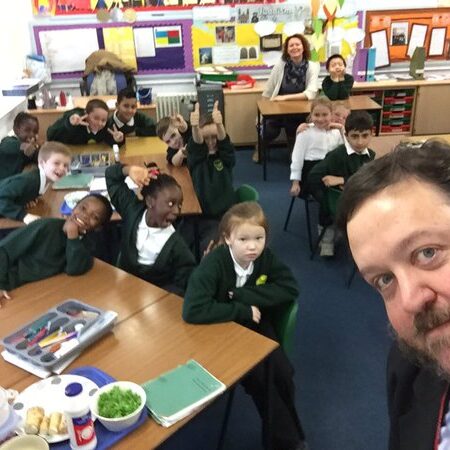
We do most of our work in person (for schools within a 90 minute drive of Reading). Virtual visits are also here to stay, and we can now visit any school in the UK.
Teach RE Judaism works with each school to provide a tailored high quality service to fit your educational needs within your budget.
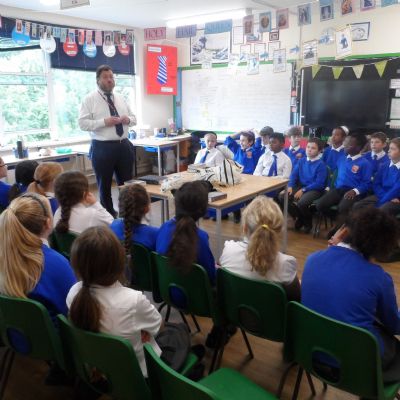
We offer assemblies, as well as workshops that allow children to engage actively and ask lots of questions. In addition, Rabbi Zvi offers workshops for teachers (after school or at lunch) to enable you to teach more effectively and confidently. Let us know how we can help you!
Workshops for All Ages
Below are a selection of our offerings. We are adding topics every week, so if a topic is not listed, do let us know. Furthermore, we can also combine topics to create custom workshops to fit your needs. We can adapt any of these topics to any Key Stage, as each topic can be taught at many different levels. Scroll to the bottom for advice on ideal workshop sizes and lengths.
★ Most popular: Synagogue tour in the classroom
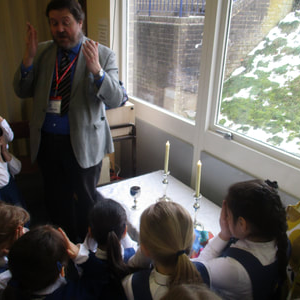
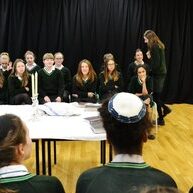
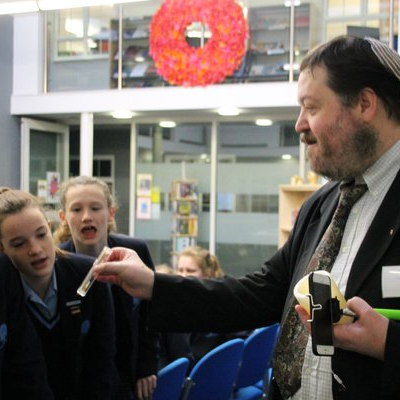
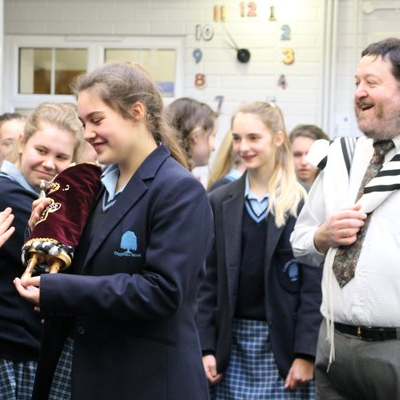
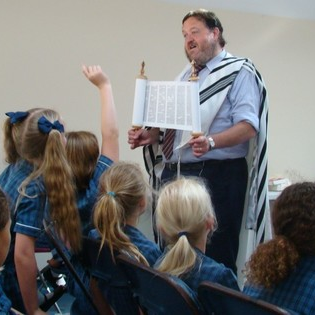
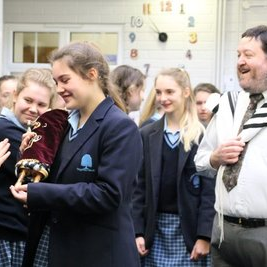
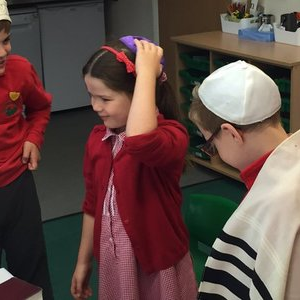
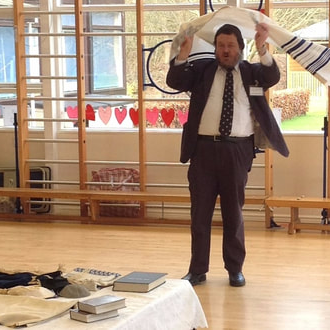
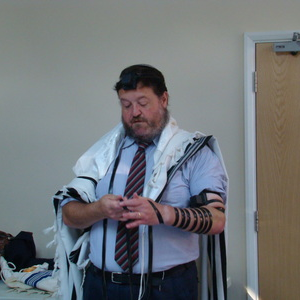
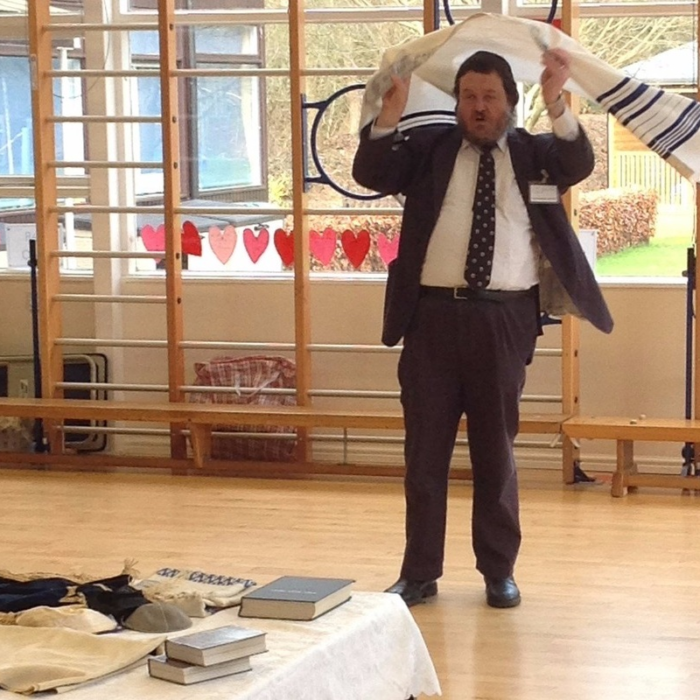
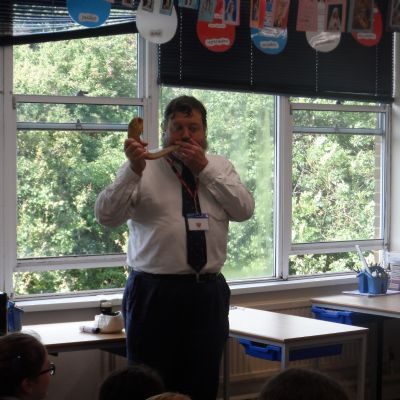
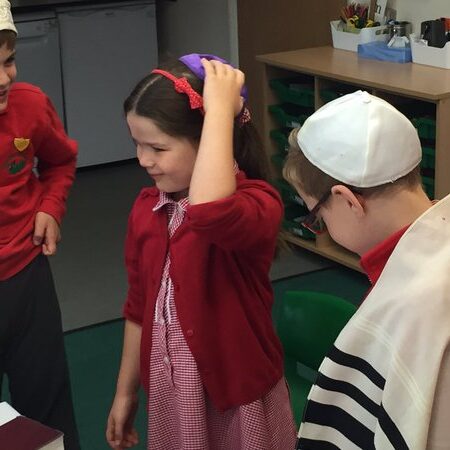
Experience a synagogue visit without the expense or hassle of a school trip. We turn your classroom into a synagogue space. Then children can have a tour, learn about Jewish prayer and handle Jewish prayer objects. In addition, we give them plenty of opportunity to ask questions about general Judaism. For virtual visits, the children take a live tour of our small house synagogue; Rabbi Zvi opens the ark to show the Torah scrolls and shows them the inside of a megillah scroll.

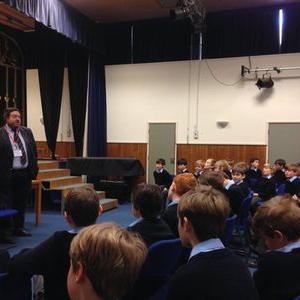
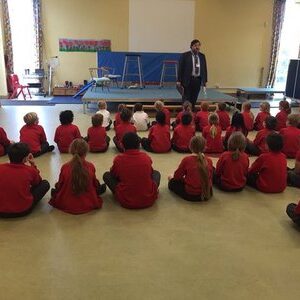
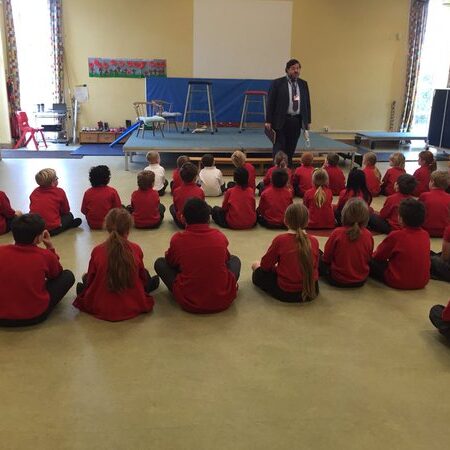
Assembly on General Judaism
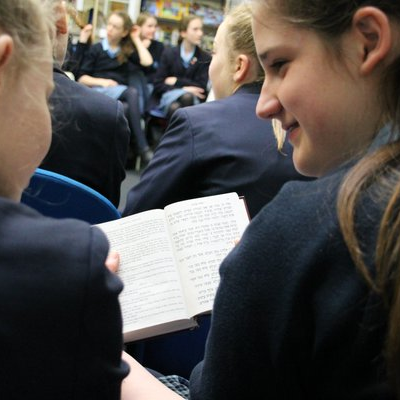
Rabbi Zvi explores questions such as: “What is Judaism?”, “What is a rabbi?”, and “What does it mean to be Jewish?”, normally tying the assembly to whatever festival is current in the Jewish calendar. Assemblies can include the whole school, just KS1 or KS2, or a single year group, depending your needs.
Shabbat
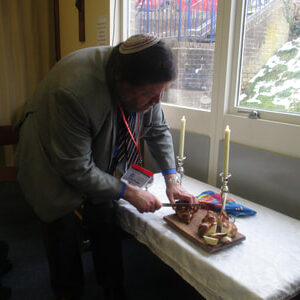
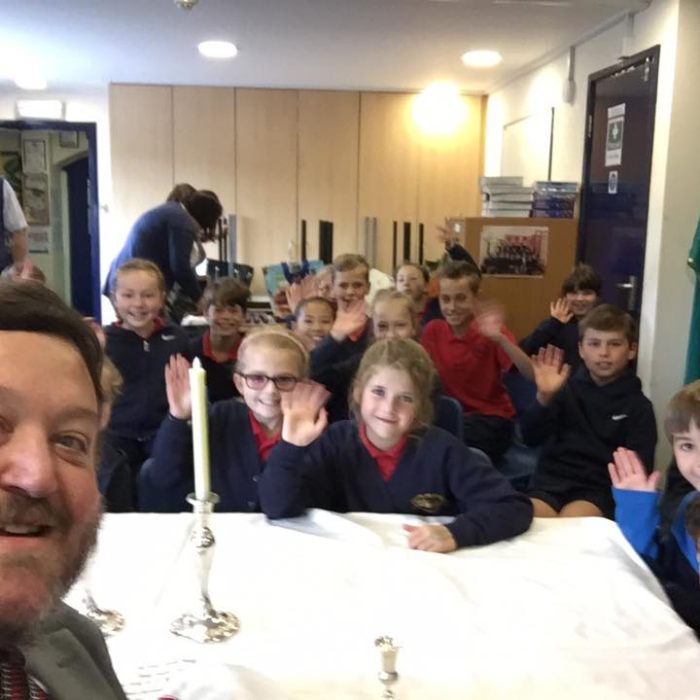
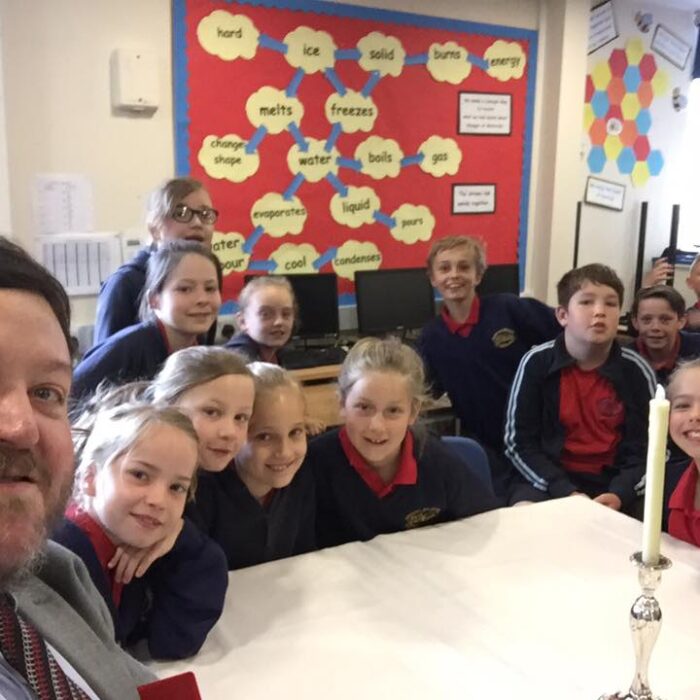
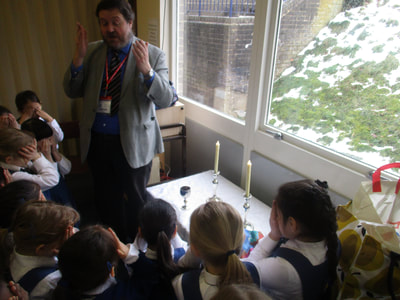
Sit around a Shabbat table, learn about Shabbat and (in longer time slots) share challah and grape juice to role-play a Friday night dinner. In addition, we can discuss the meaning of holiness and the value of stepping back from creating. This session also links well to the Creation story and what this story means to Jews. For older children, this can include the idea of being partners in creation and discussing where evolution fits with the biblical story. For virtual visits, we can supply Shabbat candlesticks and other items so you can set up your own Shabbat table in the classroom. Check our extras page for more details.


Secondary School seminars
Rabbi Zvi normally works with individual classes using props to create a hands-on experience. However, at large secondary schools, a seminar format may be needed so that several classes can participate together. Such a seminar provides a basic introduction to Judaism and can cover key questions for the GCSE Judaism paper. A slide show helps the larger group follow along. It works equally well online. We also occasionally record a virtual session with one class to be replayed for others when scheduling poses a challenge.
Tour of Jewish Life
We use props so children can explore festivals and daily Jewish life (including kosher food and Shabbat) and ask plenty of questions.
The number of topics covered depends on the time available:
- 60-90 minutes: synagogue + Shabbat
- 60-90 minutes: synagogue + Passover (+ kashrut?)
- 60-90 minutes: Shabbat + Passover (+ kashrut?)
- 90-120 minutes: synagogue + Shabbat + Passover (+ kashrut?)
Best suited to Key Stages 2 or 3.
Chanukah
Learn the story of Chanukah and its relevance today. This can involve songs and stories and the dreidel game, as well as more complex discussions for older children about assimilation and juggling multiple identities in a multicultural society. Latkes are an optional food component. (Best covered in the winter.)
Passover
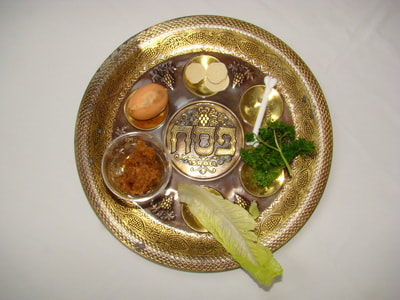
Sit around a seder table and learn about the Jewish exodus story and its moral lessons (value of freedom, not oppressing strangers). Like for Shabbat, there can be a food component. (Best covered in the late winter or Spring.) For virtual visits, we can post you display items such as the seder plate and candlesticks to set up in the classroom. Check our extras page for more details.
Judaism in the Home
What is special about a Jewish home? Learn about Jewish dietary laws, how to organise a kosher kitchen, and the meaning of the mezuzah scroll you find on every door. Ideal for Key Stage 1-2. Normally covered in combination with Shabbat.
Succot
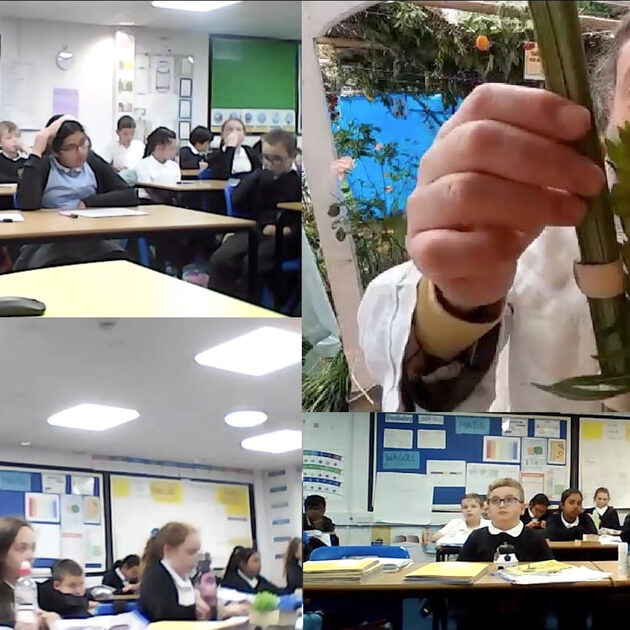
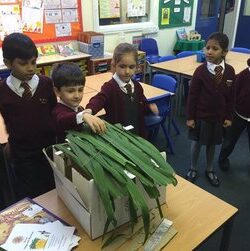
Harvest Festival in the autumn. Build a model succah in the classroom (takes minutes) or experience a virtual tour of a real succah. Stories and songs and actions. A great topic for Key Stage 1. Great fun, but the children also learn deeper lessons about communal unity, hospitality, and not judging others.
“The Year Threes loved covering over the sukkah” — JCoB RE Talks (@jcobschools), October 14, 2016. Building a ‘succah’ at English Martyrs School, 10/2016.
The Year Threes loved covering over the sukkah pic.twitter.com/3dlISQniqR
— Judaism Religious Education for Schools (@rejudaism) October 14, 2016
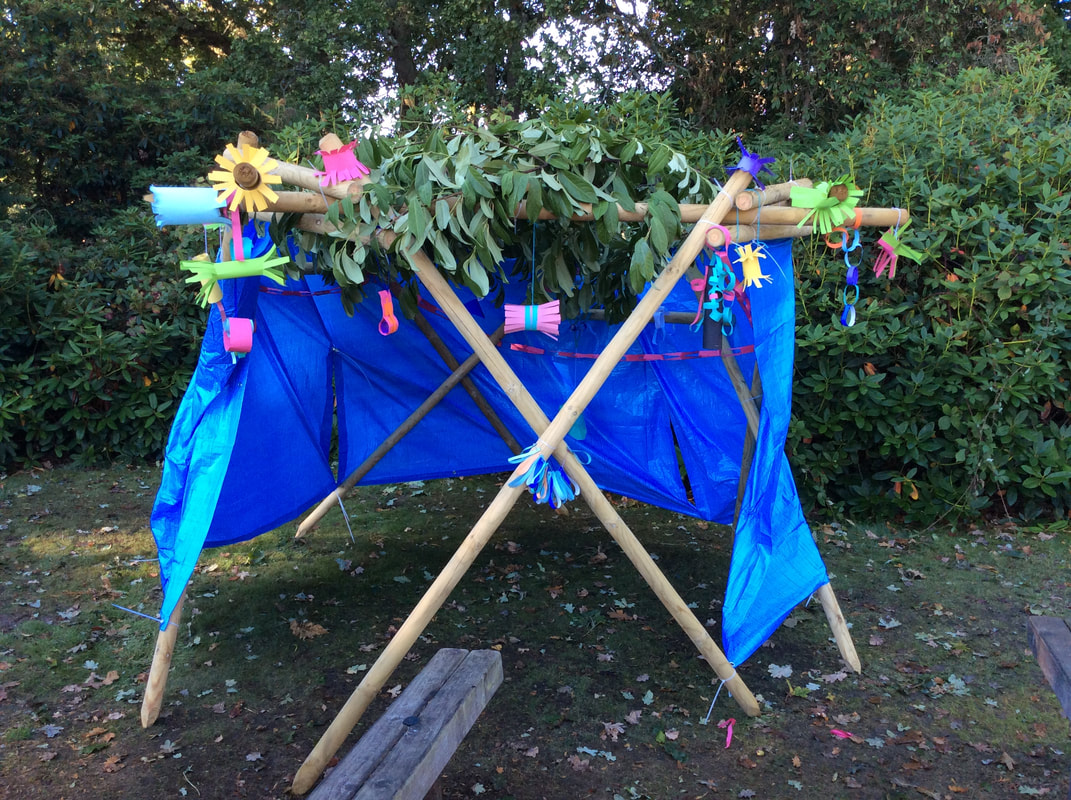
Succah built by students at Holme Grange School, 9/2018
Teachers’ Workshops
Children are not the only ones with questions about Judaism. We can set aside some time during the day for teachers to ask questions directly and receive advice about appropriate materials and resources for KS1/2/3 and GCSE. Workshops for teachers can also be during lunch or after school if the visit is extended. Let us know what kind of visit you want!
Why Schools Love our visits
Let us know what kind of visit you want!
Guide to workshop length and numbers
In-person workshops are normally for 30 children (sometimes 45).
For Years 5–6 (and occasionally Year 4) we can run a synagogue workshop for up to 60 children if a full hour is available, though it becomes less hands-on.
At secondary level we can offer seminars for up to 100 children. This format works like an extended assembly with a presentation, but we do not recommend it for primary. Even secondary pupils benefit most from groups of around 30.
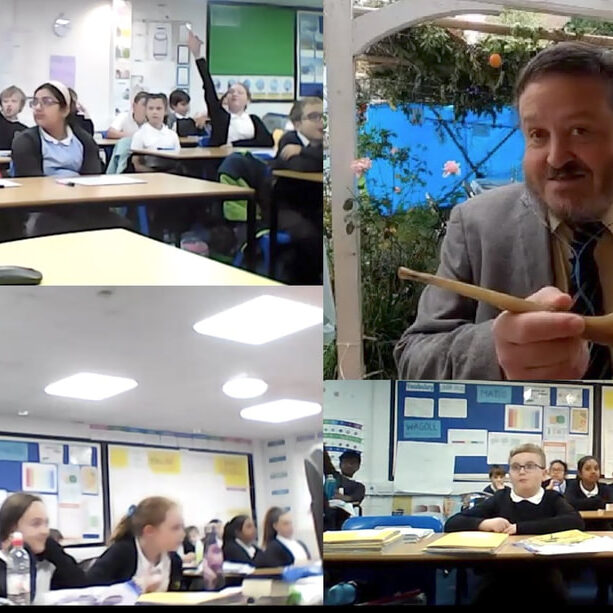
With a virtual visit, two or three classes can participate in a single session simultaneously, allowing more children to take part, even at primary level.
A typical workshop lasts 30–50 minutes for one topic, or longer when we cover several. KS2 and secondary pupils benefit most from the longer sessions, which allow deeper explanations. KS1 children gain most from small groups so they can take part actively. For Year 1, 30 minutes is often enough, though a full hour can work very well with some classes.
Health and Safety Policy
- At JCoB Education, all of our visits take place at schools, which vary in their health and safety policies.
- We adhere to the policies of the schools that we visit.
- It is the responsibility of schools to give us any instructions specific to that school.
- We are not aware of any potential safety risks specific to visits, aside from when visits involve food items.
- If there is food in your visit, we arrange this in advance. Synagogue visits do not involve any food element.
Policy on Food Items
- When a visit includes food, we give the items to school staff. Staff then distribute them according to their own policies and allergy rules.
- It is the responsibility of school staff to manage any allergies of students with regard to food, as we do not know your policies.
- Rabbi Zvi will never give food directly to students. Please do not ask him to do this even if it seems inconvenient — this avoids any chance of mistakes, as you know your students best.
- Aside from horseradish, food items are provided in sealed packages with labels showing ingredients.
- Matzah sometimes comes in a sealed packet inside an opened box (Rakusens packs two sealed packets per box). One packet is enough for a single class.
- Horseradish is a fresh vegetable, normally from our garden, so cannot be in a sealed packet like other food. It is intended primarily to be smelled rather than eaten.
- As a failsafe, we provide allergy risk information (1) in your costing, (2) with a reminder in your confirmation email, (3) on the ingredients label of the sealed product.